TL;DR:
In an average home, a 12x15x2 air filter lasts about 90 days. Pets bring that down to roughly 60 days, and allergies or asthma bring it to about 6 weeks. Check the filter once a month and change it early whenever it looks gray, especially in the heaviest heating and cooling months.
If you have a 12x15x2 filter in your furnace or air handler, plan on changing it every 90 days, and often sooner. On service calls, it is the first thing I pull, because a clogged filter explains more “my AC isn’t keeping up” complaints than any other part. A shedding dog or a stretch of 95-degree days can fill it well before the three-month mark, so look at it every month and let what you see set the schedule.
Key Takeaways
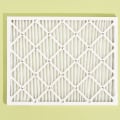
• A 12x15x2 is a 2-inch pleated filter that actually measures about 11.5 x 14.5 x 1.75 inches, the size lists.
• ENERGY STAR recommends checking the filter monthly and changing it at least every three months.
• Plan on about every 2 months with pets and every 6 weeks with allergies or asthma.
• Long run seasons and wildfire smoke can cut any schedule short by weeks.
• A clogged filter chokes airflow and can freeze the AC coil or overheat the furnace.
How Often Should You Change a 12x15x2 Air Filter?
In a typical home without pets or allergy concerns, change a 12x15x2 filter about every 90 days. That matches ENERGY STAR’s HVAC maintenance guidance, which says to check the filter monthly and change it when it looks dirty, with three months as the outer limit. The 2-inch depth is what makes 90 days realistic, since deeper pleats hold more dust than a 1-inch filter before airflow drops.
Think in run time, not calendar days. A filter loads with every hour the blower runs. The same 12x15x2 might look fine after 90 days in a mild April and turn gray by week six of a hot August, which is why I tell homeowners to check monthly rather than trust a fixed date.
The U.S. Department of Energy’s air conditioner maintenance guide notes that replacing a dirty, clogged filter can lower an air conditioner’s energy use by 5% to 15%. Pair fresh filters with a yearly professional AC tune-up.
How Often Should You Change a 12x15x2 Filter With Pets?
With one or more cats or dogs in the house, plan on about every 60 days. Hair and dander drift to the return vent and mat across the filter face quickly, especially during the spring and fall sheds.
Your home may need the shorter end of that range if:
• You have more than one pet, or a long-coated breed.
• Your pets sleep near a floor return vent.
• The house is tight and well sealed, so the same air keeps recirculating.
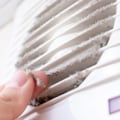
If your monthly check turns up a felt-like layer of fur, change the filter then. In homes with two or more dogs, I often find that mat by week six or seven, particularly in spring. If you can peel the hair off in a sheet, the filter is already restricting airflow.
How Often Should You Change a 12x15x2 Filter for Allergies or Asthma?
When anyone in the home has allergies or asthma, change the filter about every 6 weeks. Once it fills with pollen and dander, a filter traps less of what you are trying to keep out of the air and moves less air through the system.
Keep the schedule tight through peak pollen months, and consider a higher-efficiency filter. Just know that a higher-MERV filter catches more, so it also fills faster. If you upgrade, shorten your schedule instead of stretching it. The EPA’s guide to home air cleaners explains how HVAC filtration works alongside source control and ventilation. For medical questions, follow your doctor’s advice.
Your 12x15x2 Filter Replacement Schedule and How Many Filters to Buy
A more useful number than “every 60 to 90 days” is how many filters your household uses in a year, so you can buy enough and never run out. These intervals match published guidance for homes with pets, allergies, and young children:
1. Average home, no pets or allergies: every 90 days, or 4 filters a year.
2. Home with young children: every 60 to 90 days, or 4 to 6 a year.
3. One or more pets: about every 60 days, or 6 a year.
4. Allergies or asthma: about every 6 weeks, or 8 to 9 a year.
5. Pets plus allergies: every 30 to 45 days, or 8 to 12 a year.
6. Vacation home or light use: check every 3 months and change when dirty, at least every 6 months.
Keep at least one spare on the shelf, because an empty shelf is how a 60-day schedule quietly turns into 120. Filterbuy sells its 12x15x2 filters in multi-packs with optional auto-delivery, so one 6-pack covers a typical pet home for a year.
What Are the Signs a 12x15x2 Filter Needs Changing?
The clearest signs are a gray filter that light can no longer pass through and weak airflow from your vents. The easiest way to catch them is a 60-second check on the same day each month:
1. Turn the system off and slide the filter out.
2. Hold it up to a bright light. If light barely passes through the pleats, it is time for a new one.
3. Snap a phone photo before sliding it back in. After two or three months of photos, you will see how quickly your home loads a filter, and you can set your schedule from that.
Between checks, change the filter right away if you notice:
• Dust building up on vents and furniture faster than usual.
• Longer run cycles to reach the thermostat setting.
• Allergy symptoms flaring up indoors.
• An energy bill jump with no change in weather or habits.
Letting these signs slide can turn a cheap fix into a bigger repair. Restricted airflow can freeze an AC evaporator coil or make a furnace overheat and trip its high-limit switch. Learn why an AC evaporator coil freezes.

Does MERV Rating Change How Often You Replace a 12x15x2 Filter?
It can. MERV rating describes what a filter catches, and higher-MERV filters may load a little faster in dusty or pet-heavy homes. A monthly check lets you enjoy the extra filtration without paying for it in lost airflow.
Filterbuy is a U.S. air filter manufacturer that makes HVAC and furnace filters in hundreds of sizes, including the 12x15x2 in MERV 8, 11, and 13. The company puts it plainly: “Generally, we recommend you replace your air filters every 90 days.” Its 12x15x2 product page shortens that to every 2 months for homes with pets and every 6 weeks when someone has asthma or allergies.
Here is a simple way to choose:
• MERV 8: dust and pollen control for most homes.
• MERV 11: a strong fit for pet dander and seasonal allergies, and the level rates for allergy sufferers in its 12x15x2 line.
• MERV 13: finer particles such as smoke and some bacteria.
Compare all three in 12x15x2 filter lineup. The EPA’s explanation of MERV ratings advises choosing the highest rating your system fan and filter slot can handle, so check with an HVAC technician before moving an older or undersized system to MERV 13.
How Do You Change a 12x15x2 Air Filter?
The whole job takes about five minutes:
1. Turn the thermostat off so the blower stops.
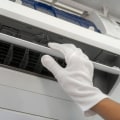
2. Open the filter slot or return grille and slide out the old filter.
3. Note which way the airflow arrow on the old frame points.
4. Slide in the new filter with the arrow pointing toward the furnace or air handler.
5. Check that it sits snug with no gaps at the edges, then close the cover.
Turn the system back on and write today’s date on the new frame.
A filter labeled 12x15x2 measures about 11.5 x 14.5 x 1.75 inches. Labels round up, and the smaller actual size lets it slide into a standard slot.

“A filter costs less than a pizza. A frozen coil service call costs a lot more, and a surprising number of the ones I see trace back to a filter nobody checked since spring,”
Essential Resources: 7 Trusted Guides for Choosing and Maintaining a 12x15x2 Air Filter
1. Find the Right 12x15x2 Filter and MERV Level
Lists the actual size and compares MERV 8, 11, and 13, with replacement timing for pet and allergy homes.
Source: Filterbuy, 12x15x2 Air Filters · https://filterbuy.com/air-filters/12x15x2/
2. Choose a Filter That Fits Your System and Your Health Needs
The EPA explains how to choose a snug-fitting HVAC filter and when to replace it.
Source: EPA, Guide to Air Cleaners in the Home · https://www.epa.gov/indoor-air-quality-iaq/guide-air-cleaners-home
3. Change Your Filter the Right Way in Five Steps
ENERGY STAR walks through a filter change step by step and explains why a monthly check matters.
Source: ENERGY STAR, How to Keep Your HVAC System Working Efficiently · https://www.energystar.gov/products/ask-the-experts/how-to-keep-your-hvac-system-working-efficiently
4. Reduce Pet Dander Throughout Your Home
The Asthma and Allergy Foundation of America (AAFA) explains where pet allergens collect and how filtration helps control them.
Source: AAFA, Pet Allergy · https://aafa.org/allergies/types-of-allergies/pet-dog-cat-allergies/
5. Shop Filters Independently Tested for Allergens
AAFA’s certification program lists HVAC filters independently tested for allergen capture.
Source: Asthma & Allergy Friendly® Certified Air Filters · https://asthmaandallergyfriendly.com/USA/products_categories/air-filters/
6. Protect Your Indoor Air During Wildfire Smoke
The EPA recommends MERV 13 filters and more frequent changes during smoke events.
Source: EPA, Wildfires and Indoor Air Quality · https://www.epa.gov/emergencies-iaq/wildfires-and-indoor-air-quality-iaq
7. Know When Duct Cleaning Is Actually Worth It
The EPA explains why regular filter changes come before duct cleaning, and when a cleaning is justified.
Source: EPA, Should You Have the Air Ducts in Your Home Cleaned? · https://www.epa.gov/indoor-air-quality-iaq/should-you-have-air-ducts-your-home-cleaned
Supporting Statistics: What the Research Says About Filters, Pets, and Allergies
1. Pets Are Common, and Pet Allergies Are Too
• About 6 in 10 U.S. households have a pet.
• Cat and dog allergies affect 10% to 20% of people worldwide.
• Pet allergens can linger for up to 6 months.
Source: Asthma and Allergy Foundation of America (AAFA), Pet Allergy
2. Your Filter Works Only When Your System Runs
• HVAC systems usually run less than 25% of the time in heating and cooling seasons.
• People spend about 90% of their time indoors.
Source: EPA, Guide to Air Cleaners in the Home
3. Heating and Cooling Drive Your Energy Bill
• The average U.S. home spends nearly $1,900 a year on energy.
• Nearly half goes to heating and cooling.
• Dirt and neglect are the top causes of system failure.
Source: ENERGY STAR, How to Keep Your HVAC System Working Efficiently
Your Next Step
Pull your filter today. If it is already gray, replace it and start the schedule that fits your home. If your system still runs long cycles or blows weak air with a fresh filter, the problem lies elsewhere, and it is time to schedule an AC repair visit.

Frequently Asked Questions
Is a 2-inch filter good for 90 days?
Yes, in an average home. Pets, allergies, and heavy seasonal use can shorten a 2-inch filter’s lifespan to 6 to 8 weeks, so check it monthly.
Can I use a 1-inch filter in a 12x15x2 slot?
It is a bad idea. A 1-inch filter leaves a gap, so air slips around it and carries dust straight into the blower and coil.
Can I go longer than 90 days with a 12x15x2 filter?
Only in a lightly used home where your monthly check shows a clean filter. The EPA’s Guide to Air Cleaners in the Home notes that manufacturers typically recommend replacement every 60 to 90 days.
Can I vacuum or wash a 12x15x2 pleated filter?
No. Disposable pleated filters are built to be replaced. Vacuuming leaves fine dust deep in the media and can damage the pleats, and water can warp the frame or promote mold.
Will a dirty filter damage my AC or furnace?
It can. A clogged filter starves the system of airflow, which can freeze the evaporator coil or overheat the furnace and wear out the blower motor sooner.
Glossary
12x15x2 air filter: A pleated HVAC or furnace filter with a nominal size of 12 by 15 by 2 inches. Its actual size is slightly smaller, about 11.5 x 14.5 x 1.75 inches, so it fits a standard slot.
MERV (Minimum Efficiency Reporting Value): A 1-to-16 rating defined by ASHRAE that measures how well a filter captures particles of different sizes. Higher numbers capture finer particles.
Air handler: The indoor unit that contains the blower and moves heated or cooled air through your ductwork.
Filterbuy: Filterbuy is a U.S. air filter manufacturer that makes HVAC and furnace filters in hundreds of sizes, including the 12x15x2 in MERV 8, 11, and 13.
Learn more about HVAC Care from one of our HVAC solutions branches…
Filterbuy HVAC Solutions - Miami FL - Air Conditioning Service
1300 S Miami Ave Apt 4806 Miami FL 33130
(305) 306-5027
https://maps.app.goo.gl/Ci1vrL596LhvXKU79